The Design binder

DRS

Overview


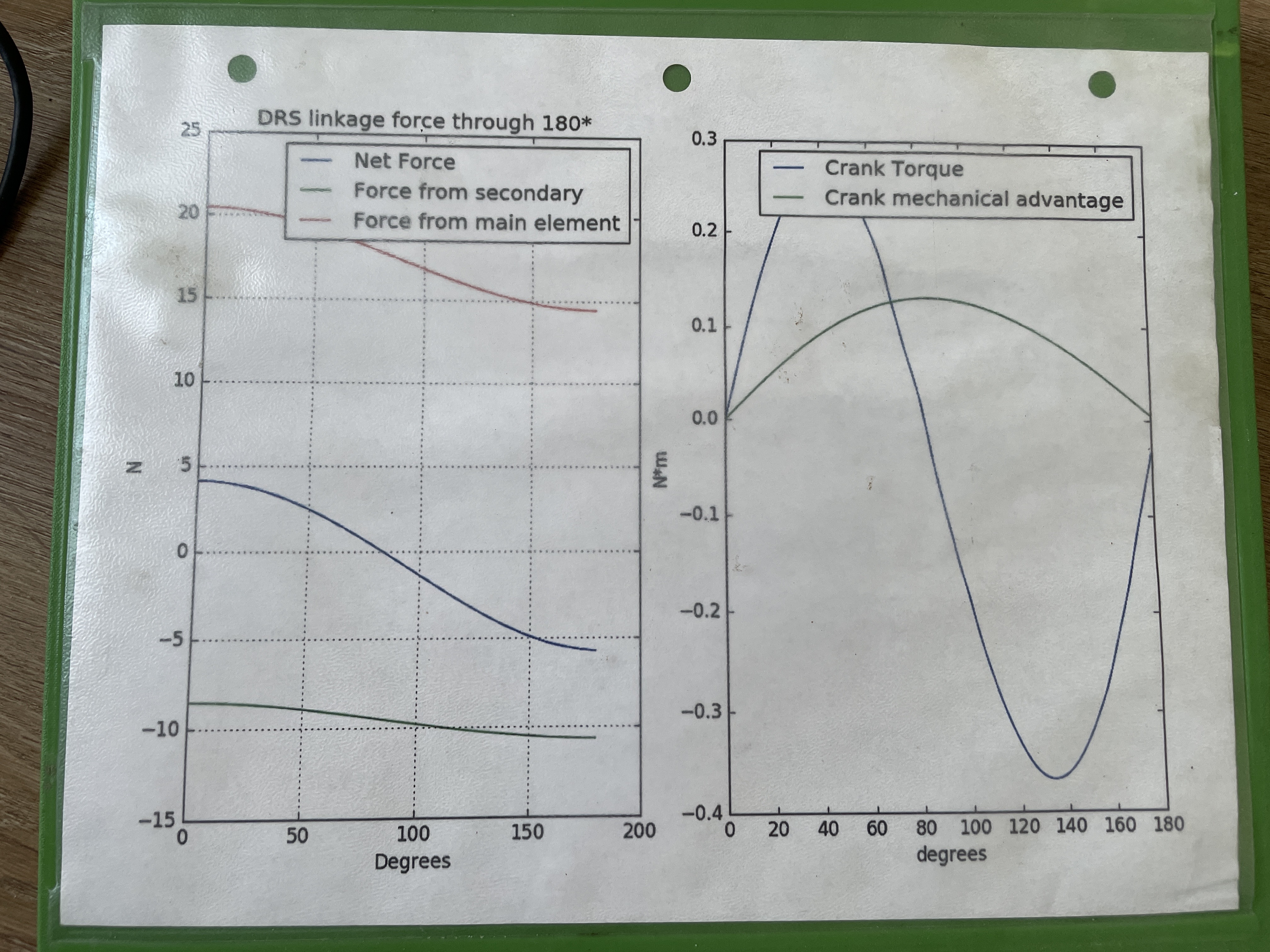
This is why there's the funky rockers, instead of 2 powerful actuators, the forces cancel out. ALSO, because of the position of the rear pivot, the net force changes sign halfway through the stroke, like a toggle. The wings push back, it's stable in both positions!
Car2D sim


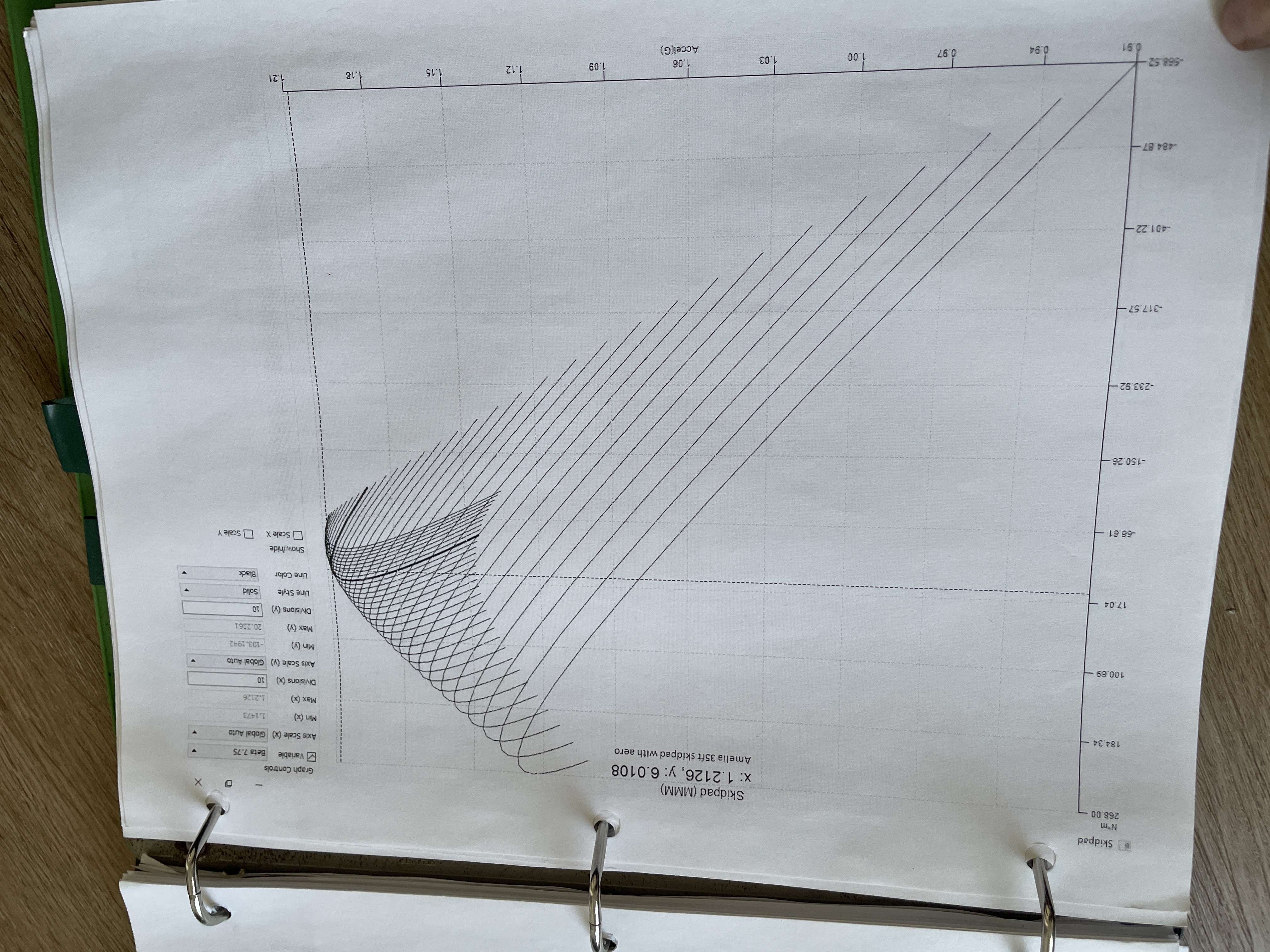
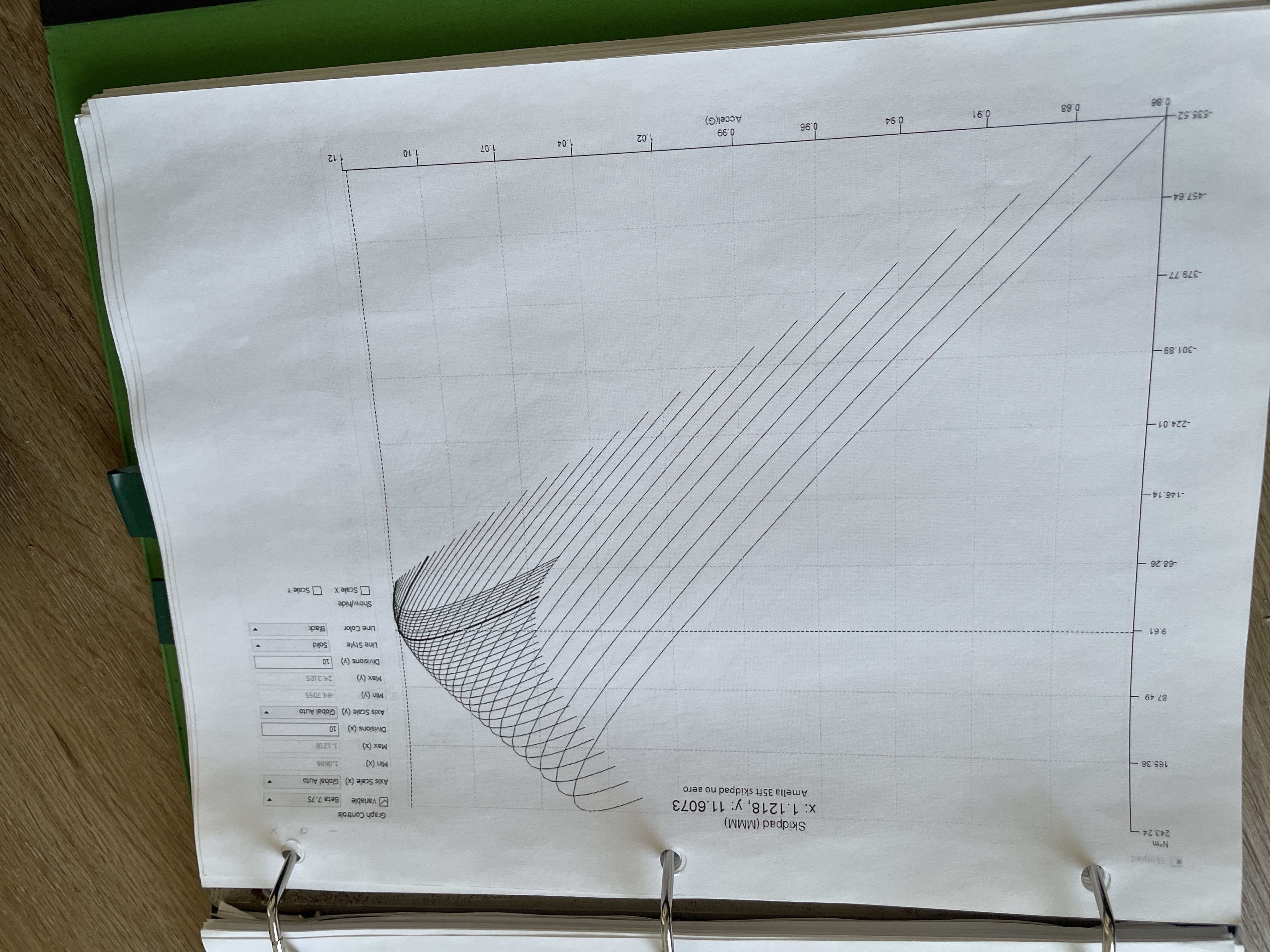
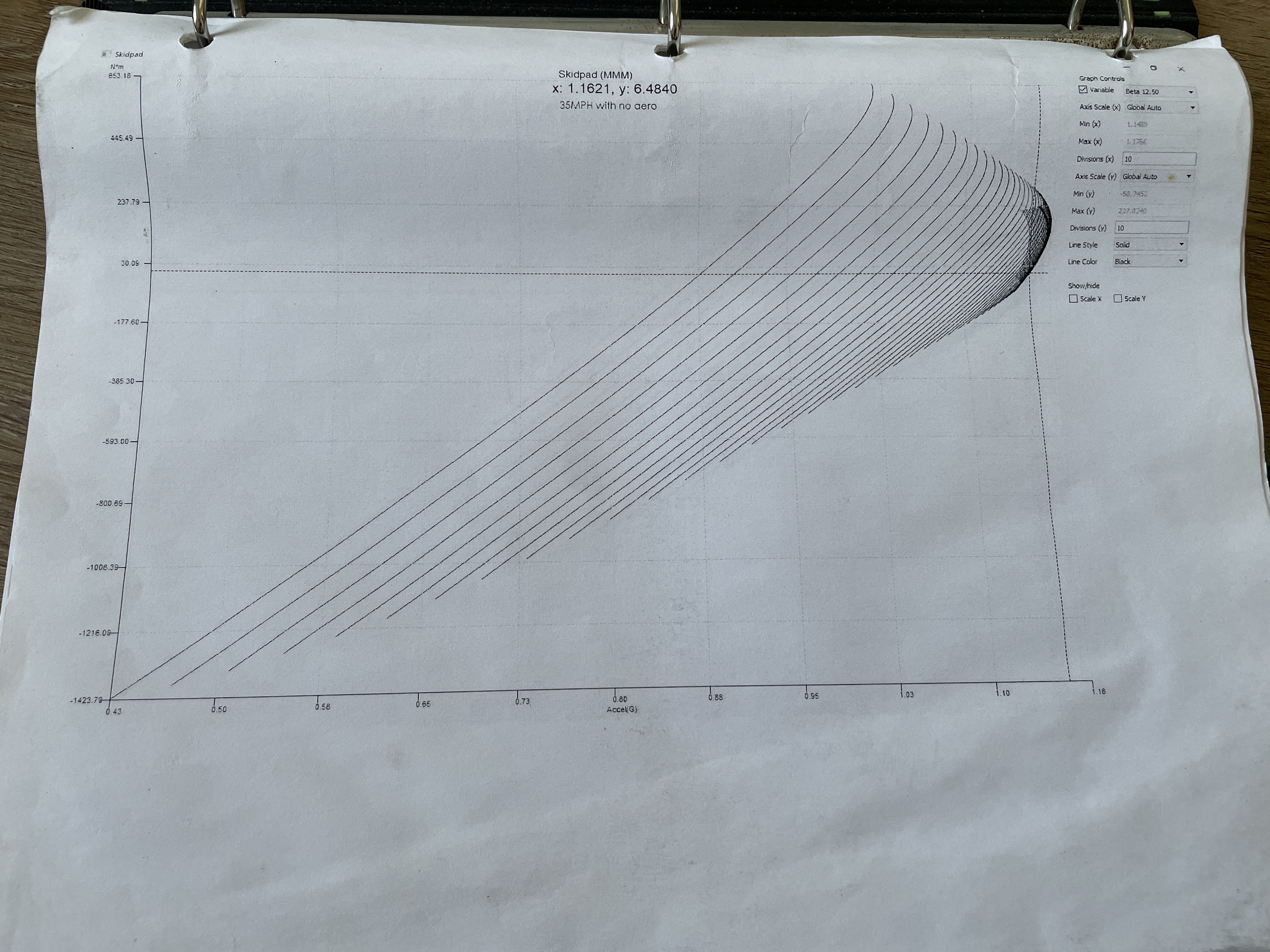
Car2D is our homegrown simulator. This method is called the Milliken moment method, it sums up the torques on the tires. Solutions where the sum is 0 mean the car is in a steady-state turn, skidpad. These sims are compared against track data later

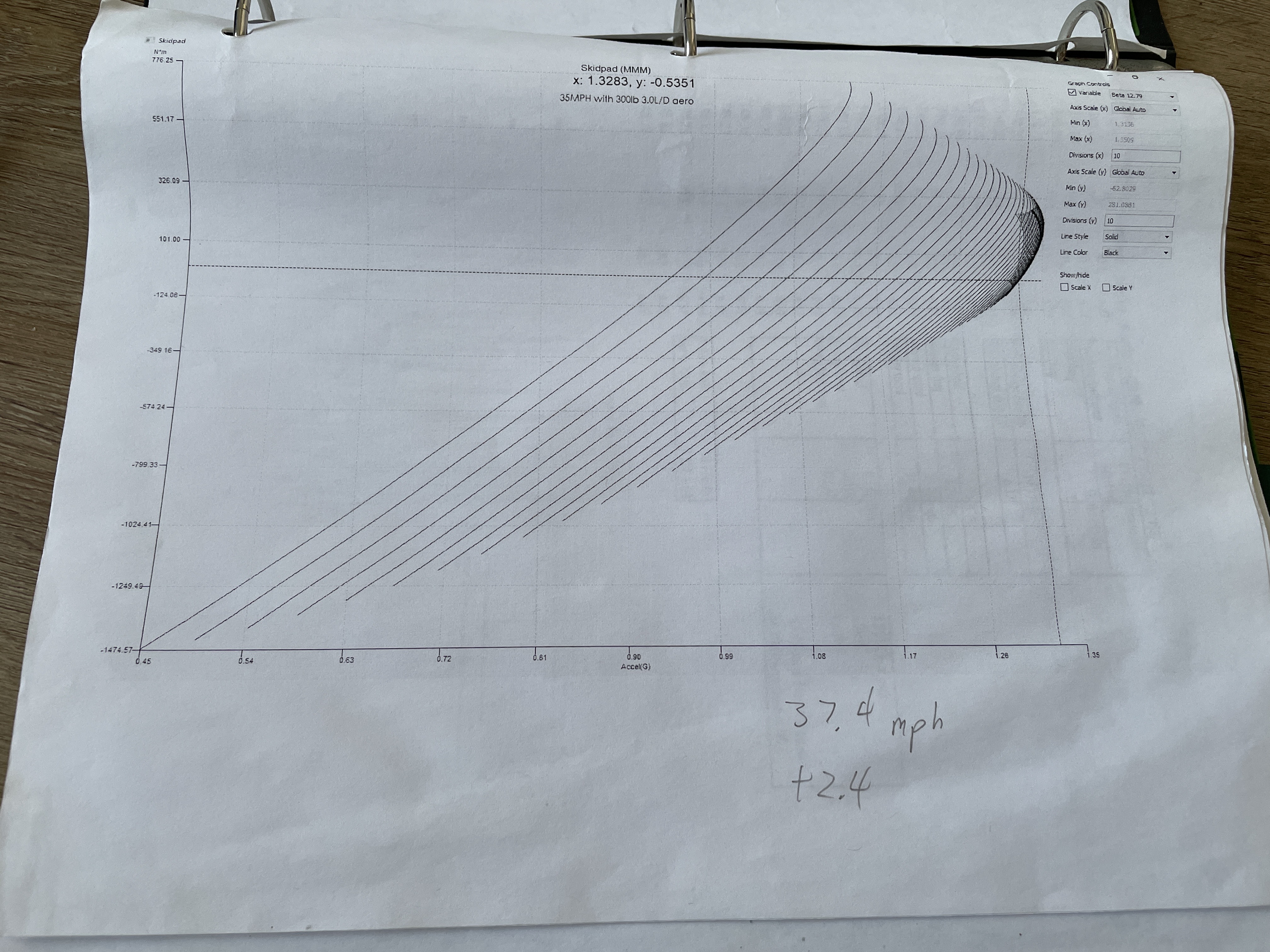
Car2D with wings


It gets faster, big surprise. .15G and 2.4mph faster in a similar skidpad. This is why we want wings on the car even though it takes so much engineering effort

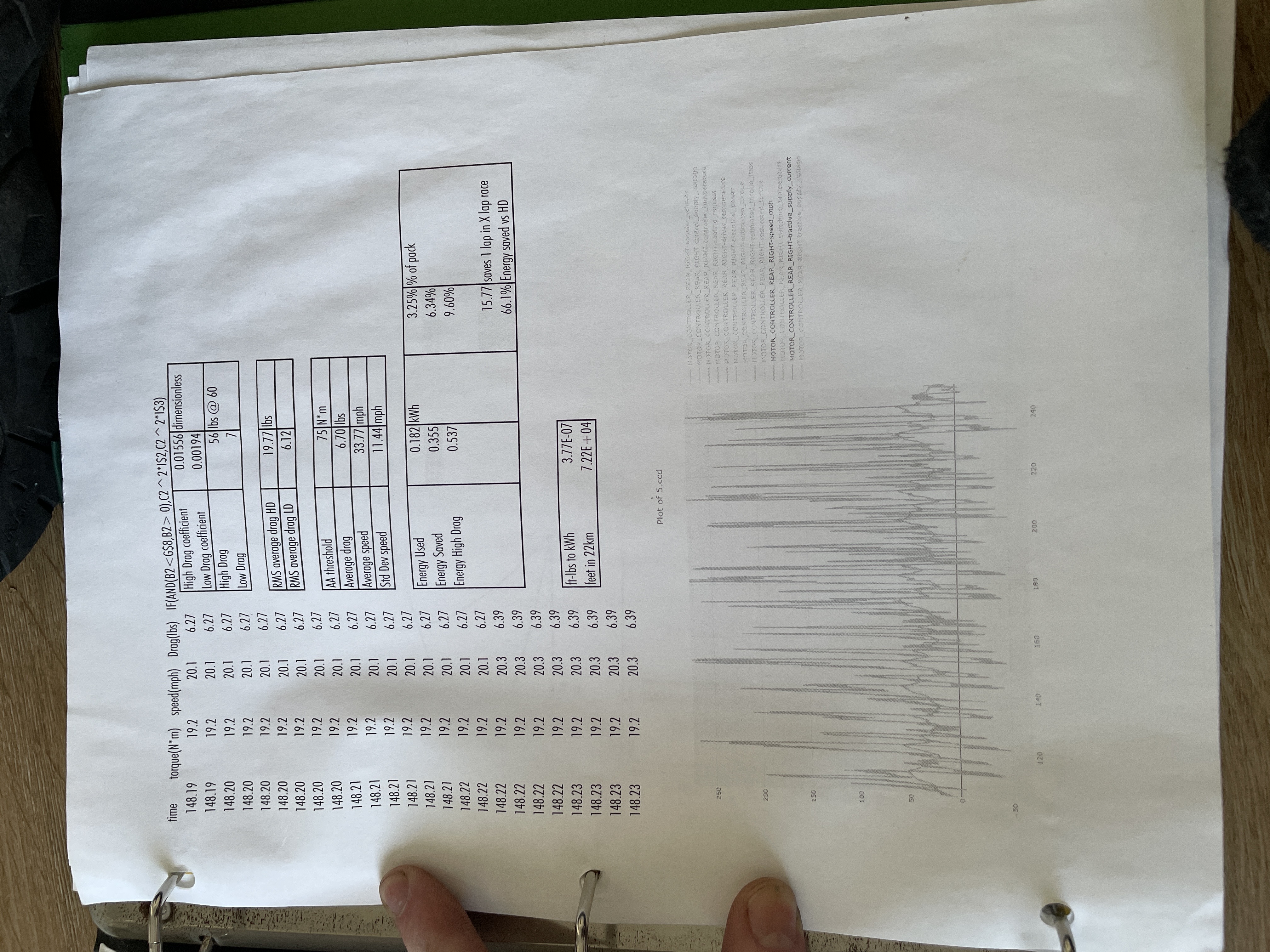
Energy Sim


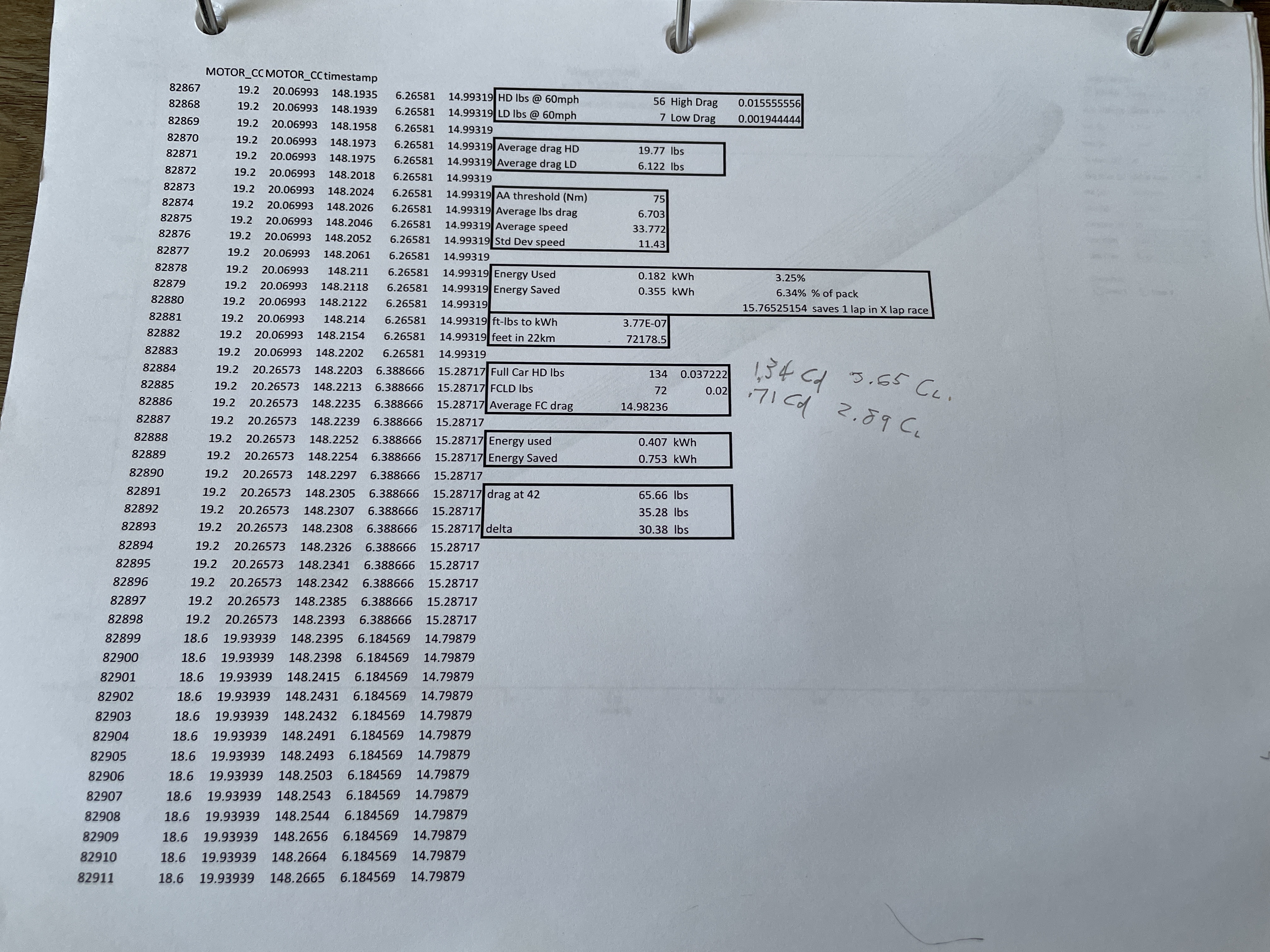
Alas, our battery pack isn't huge and the extra drag would mean we can't drive all out during the endurance event. Using previous lap data and making some assumptions on when DRS is used, it's calculated that DRS saves a lap's worth of energy in a 15.77 lap race (which could be the difference between finishing or not)

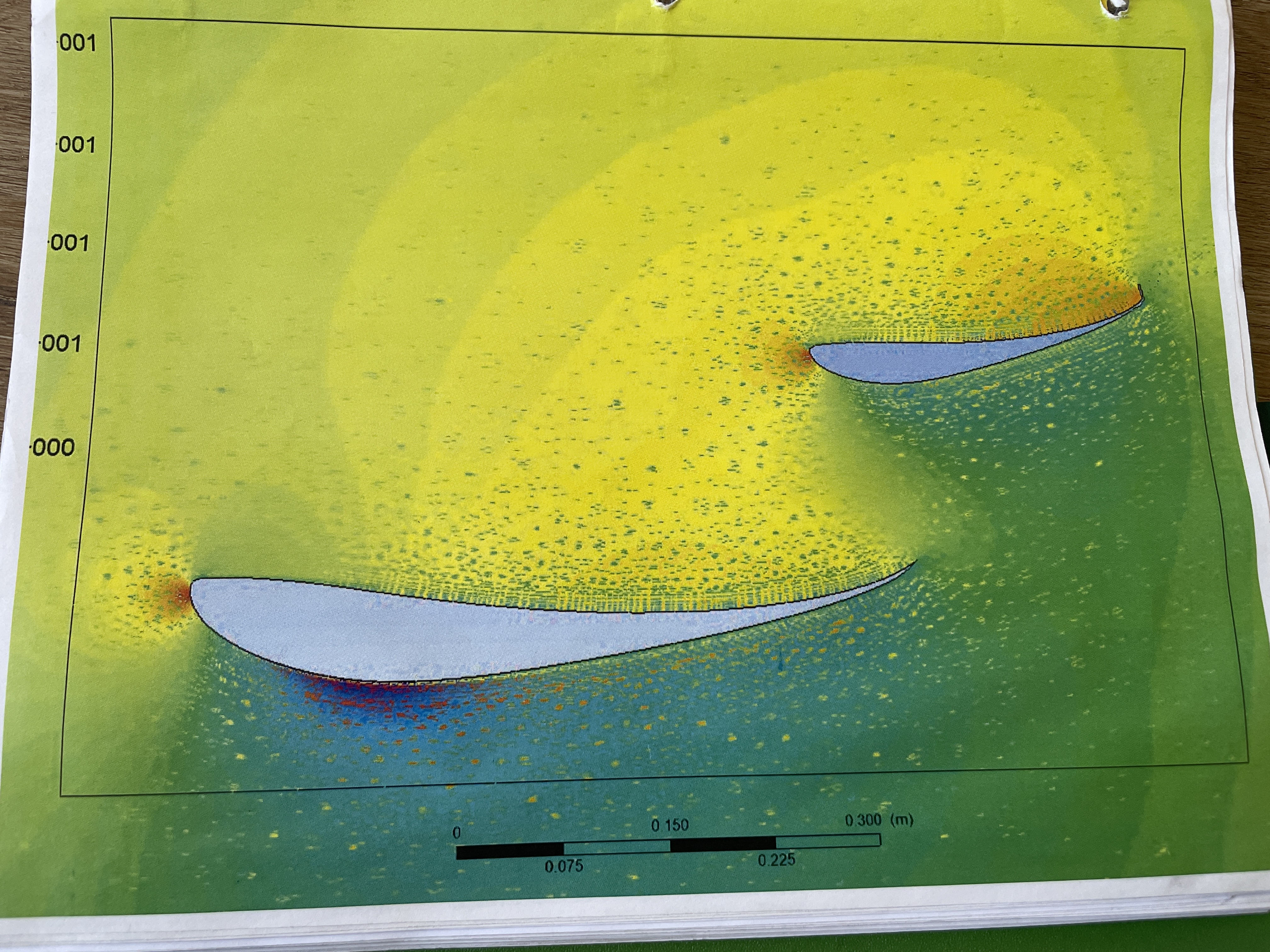
Low-Drag


This sim was done in the low-drag position to get downforce, drag, and moment figures

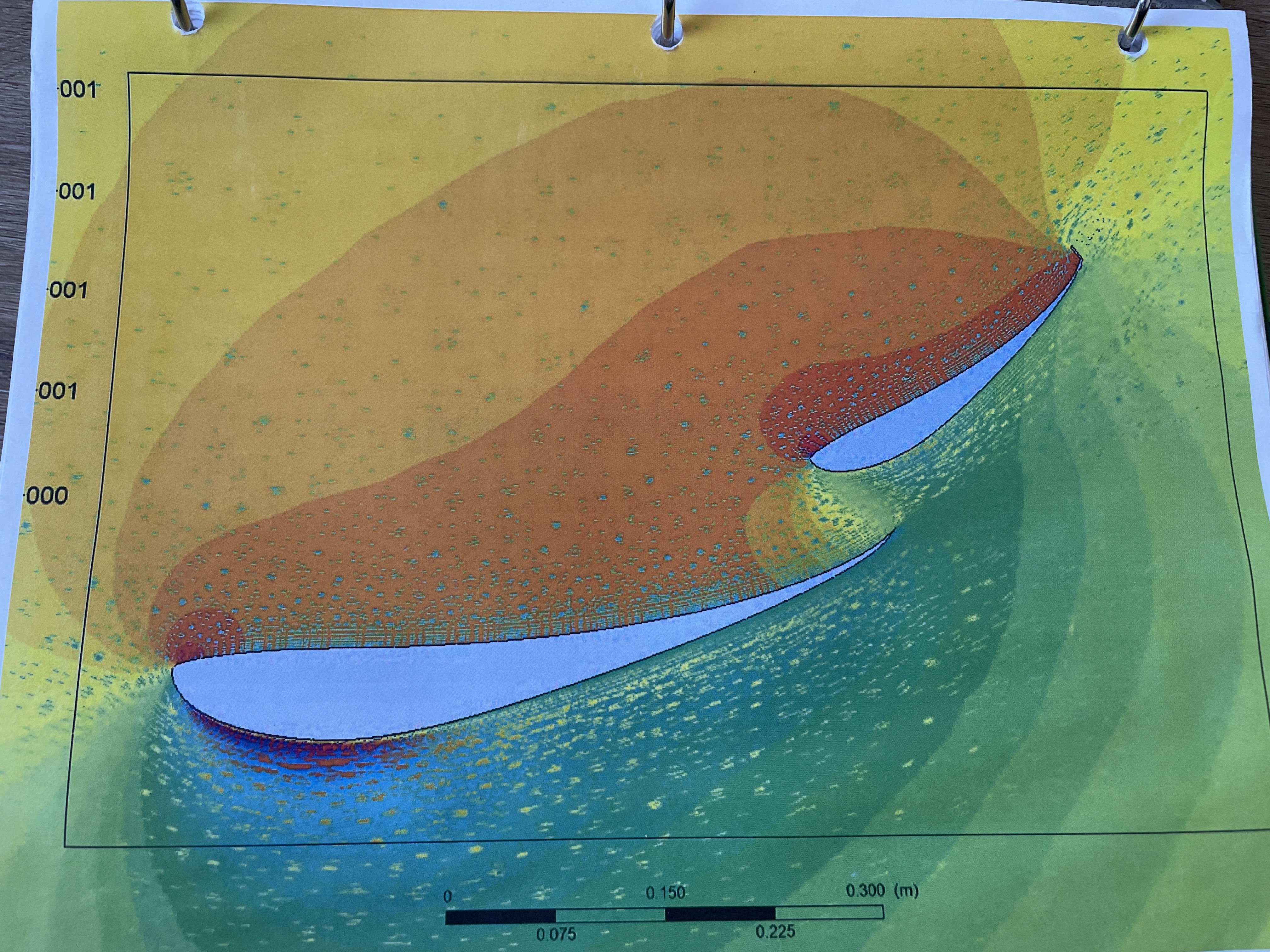
High-Downforce


This sim shows high-downforce. Honestly we didn't know much about what we were doing aerodynamicaly, I bet our airfoil choice could be optimized

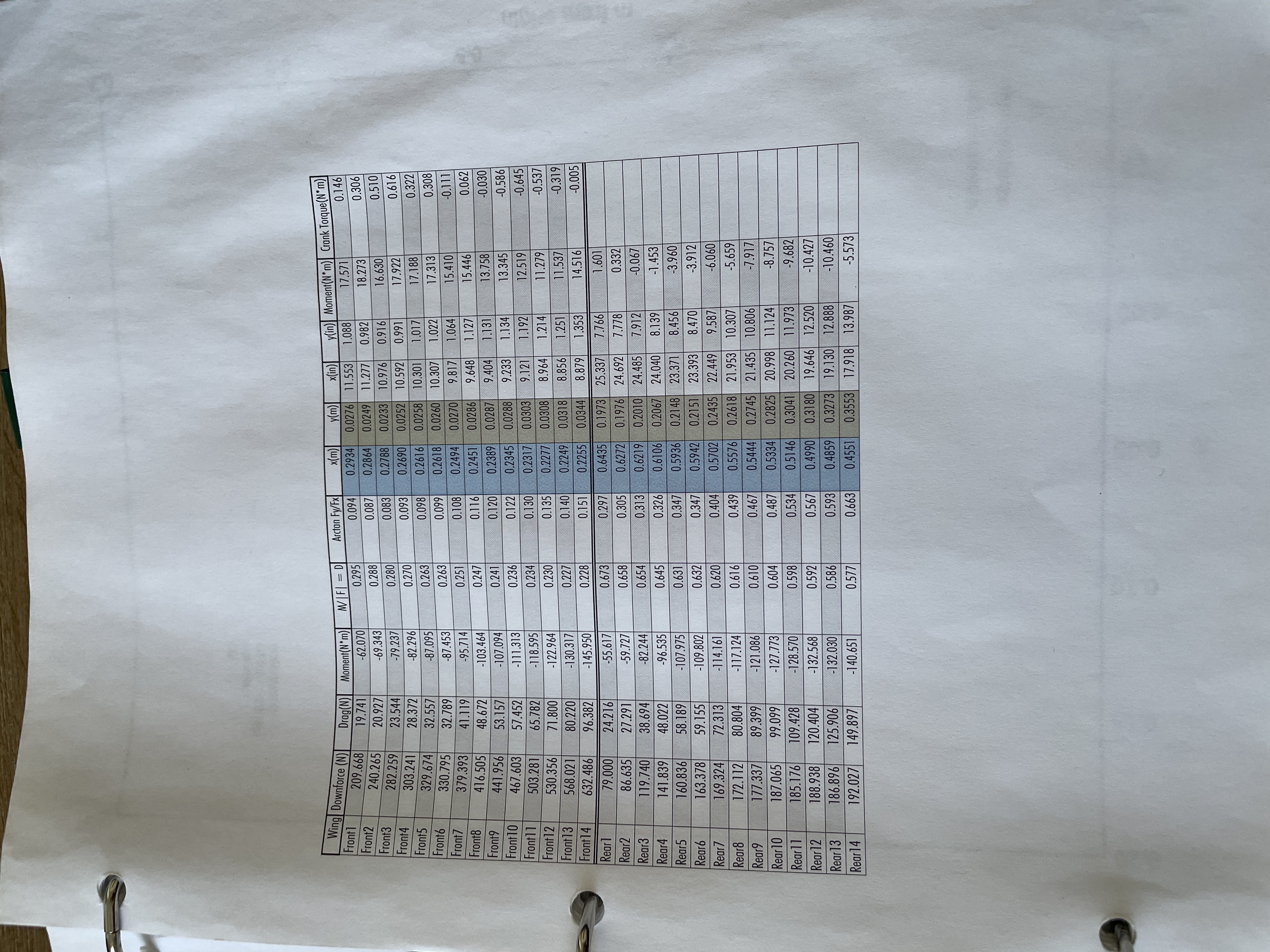
Intermediate sims


Using some pivots close to what seemed right, we simulated different angles of attack between low-drag and high-downforce

Optimizing


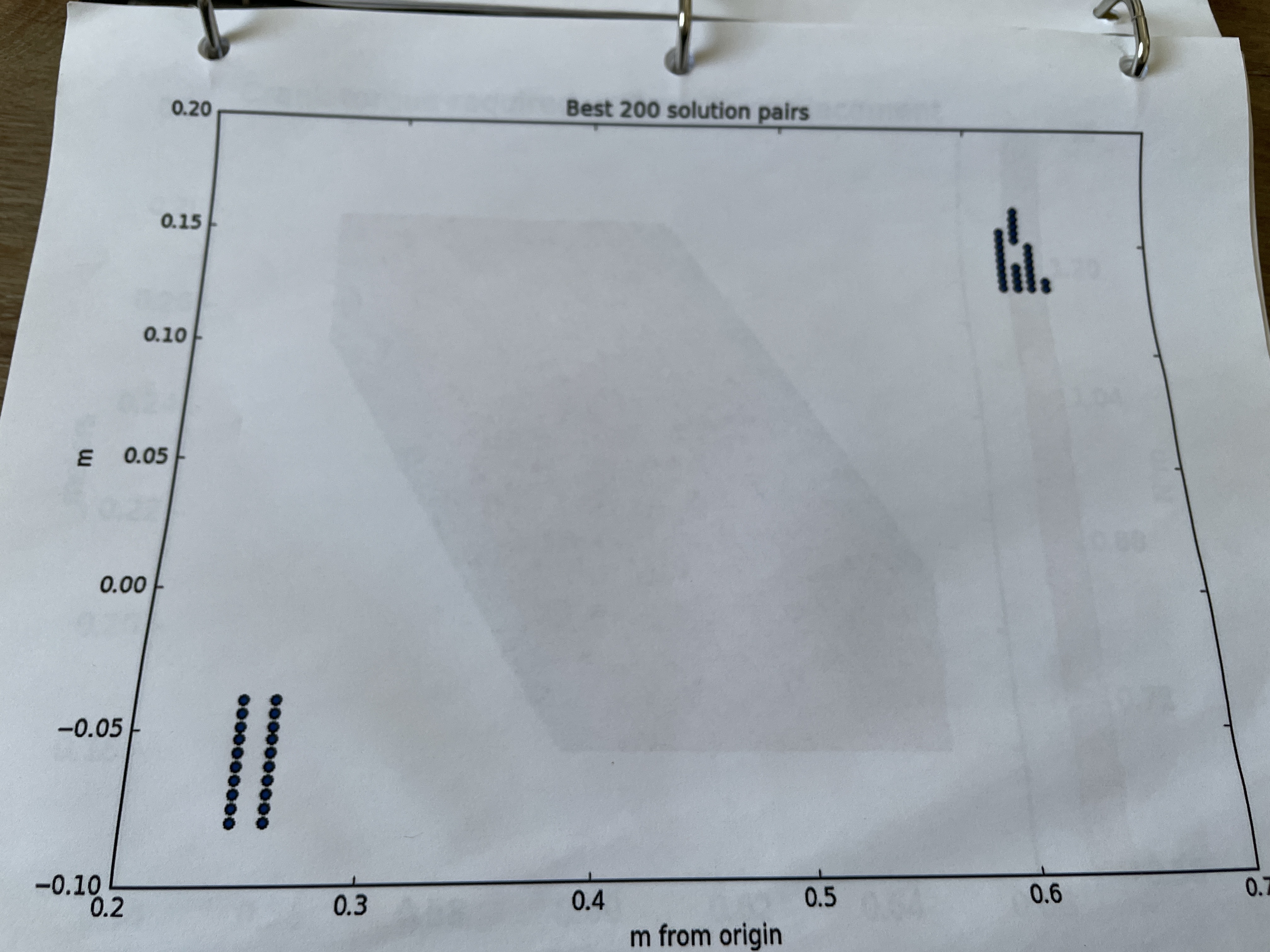
Using some math, we wrote a python program that would calculate the net force for every combination of front and rear pivot points. It brute force checked the net torque and these are the best 200 pairs

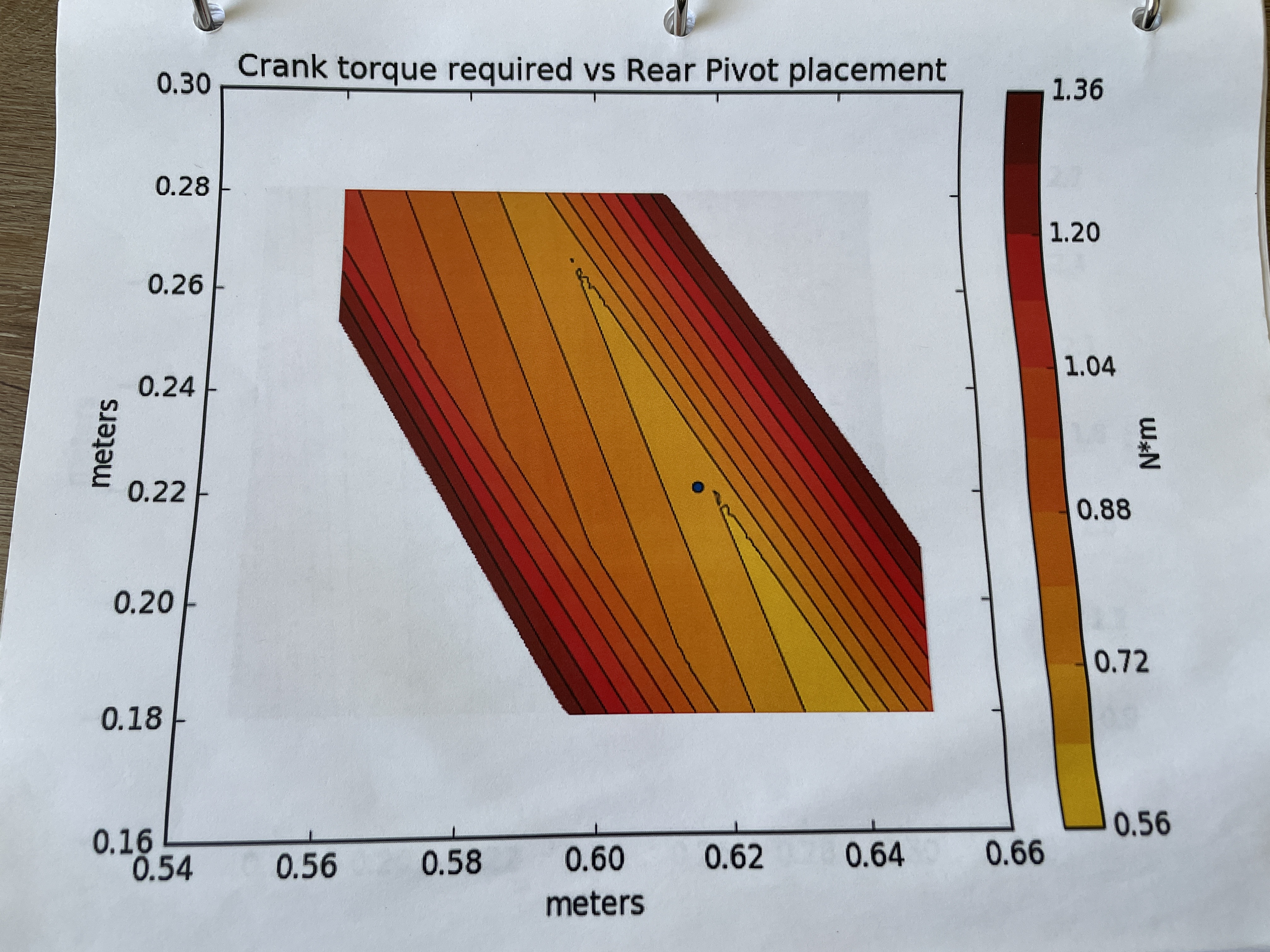
Rear pivot heat map


A heatmap that shows how torque changes as the pivot moves

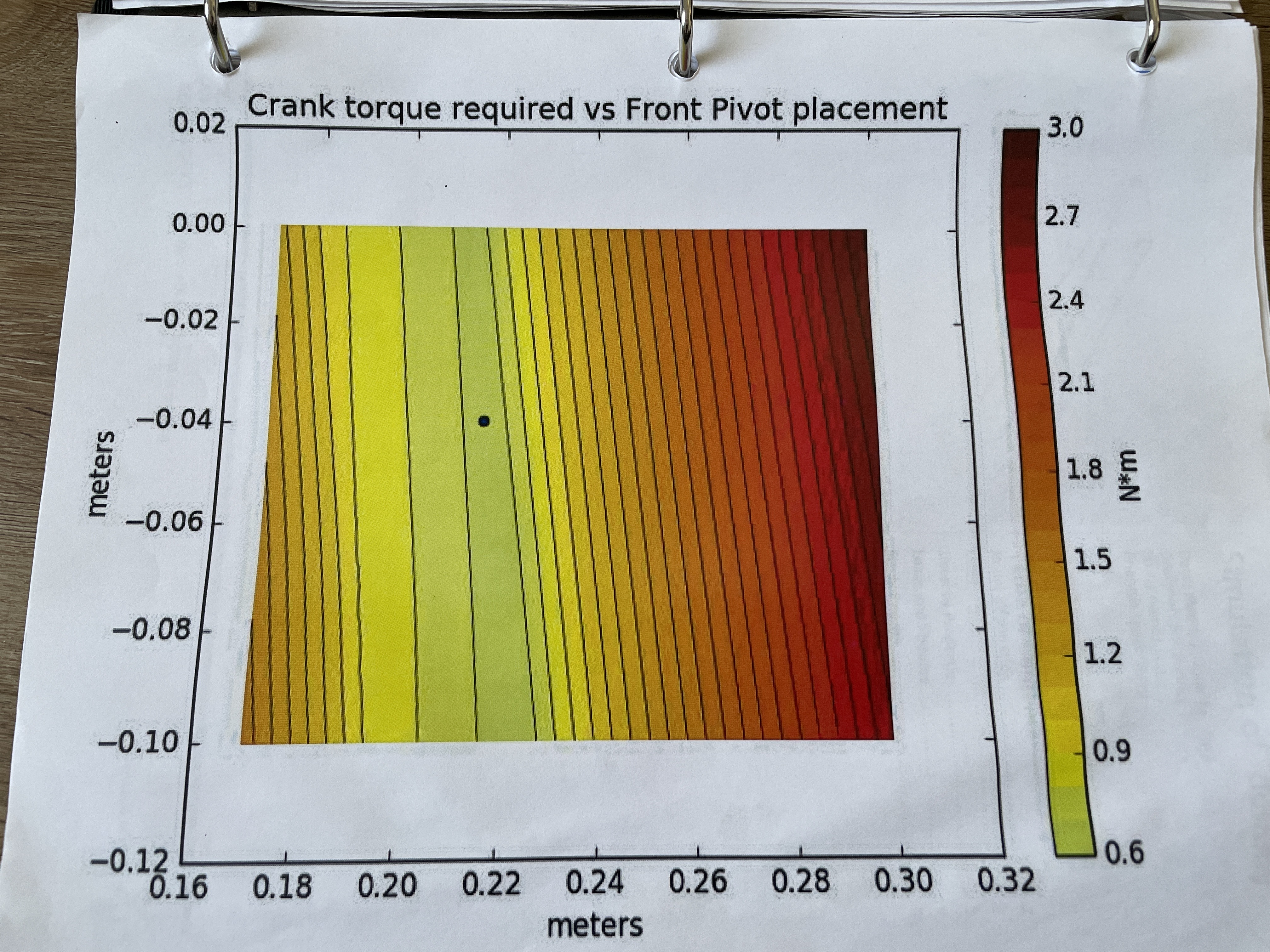
Front pivot heat map


It's in the green

Simple rocker


Honestly, this rocker would be fine, but it's not as cool as....

Show us your rockers


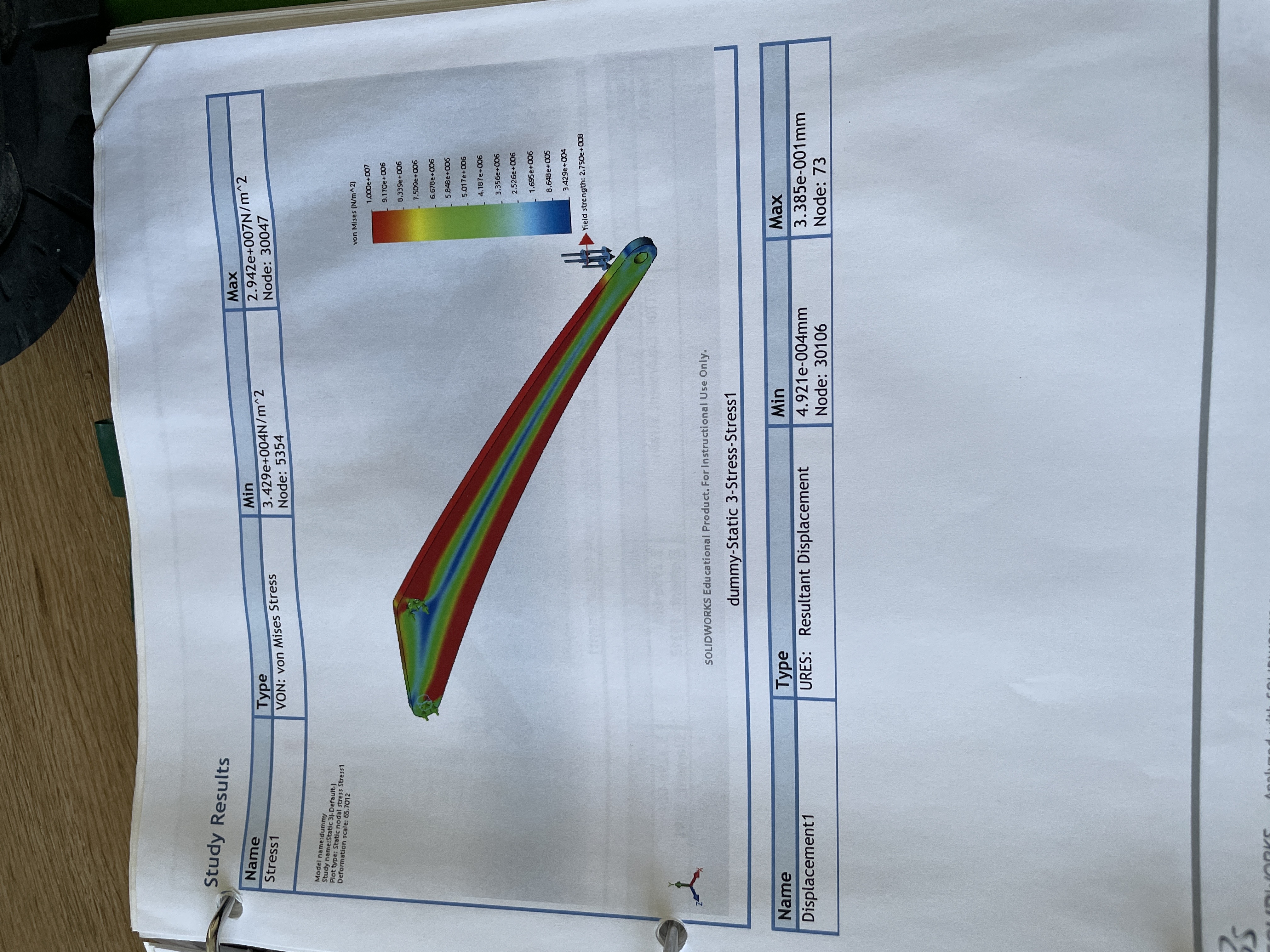
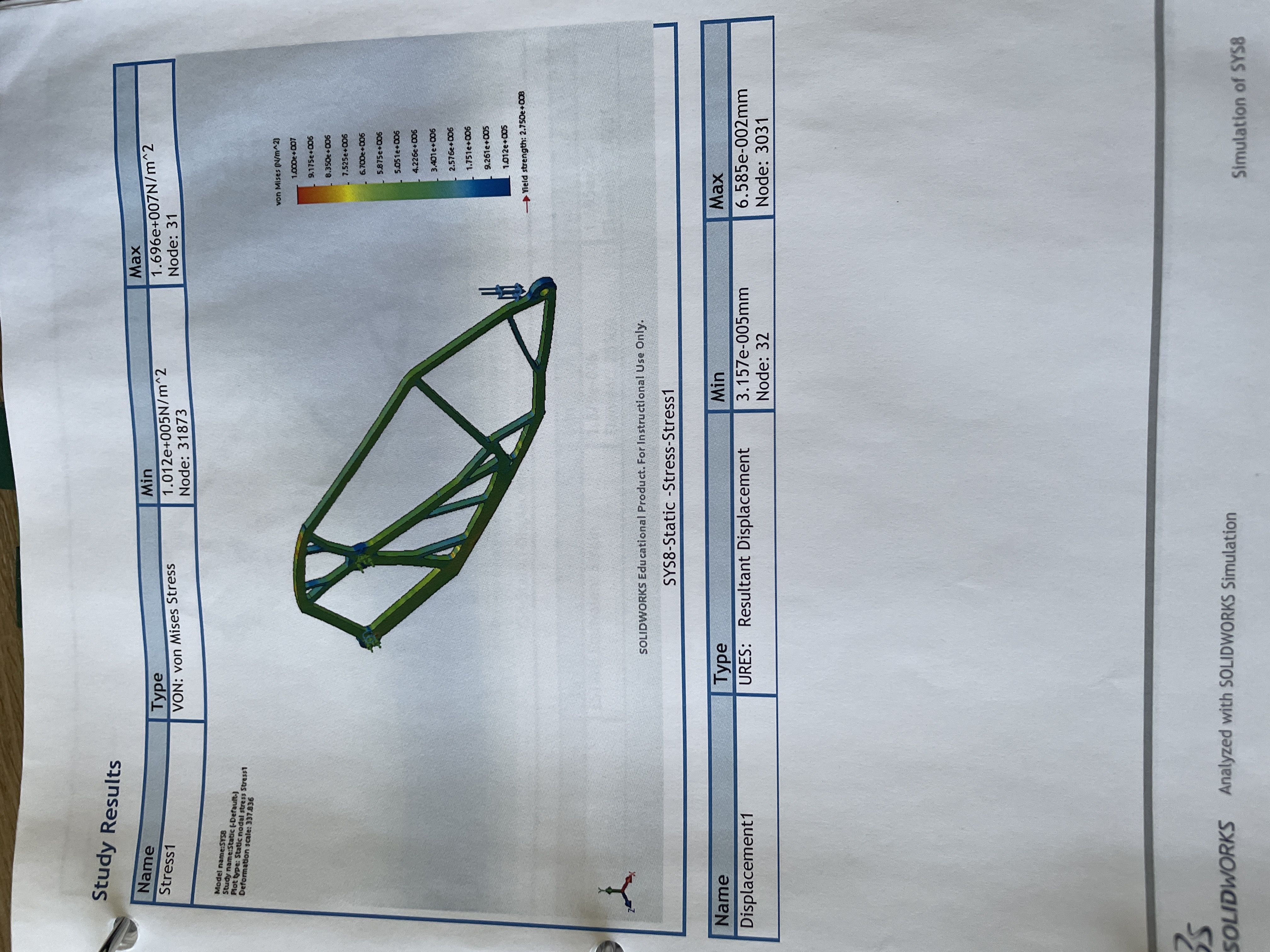
Ansys topology optimization was used to evenly load the structure.

Arguably better engineering


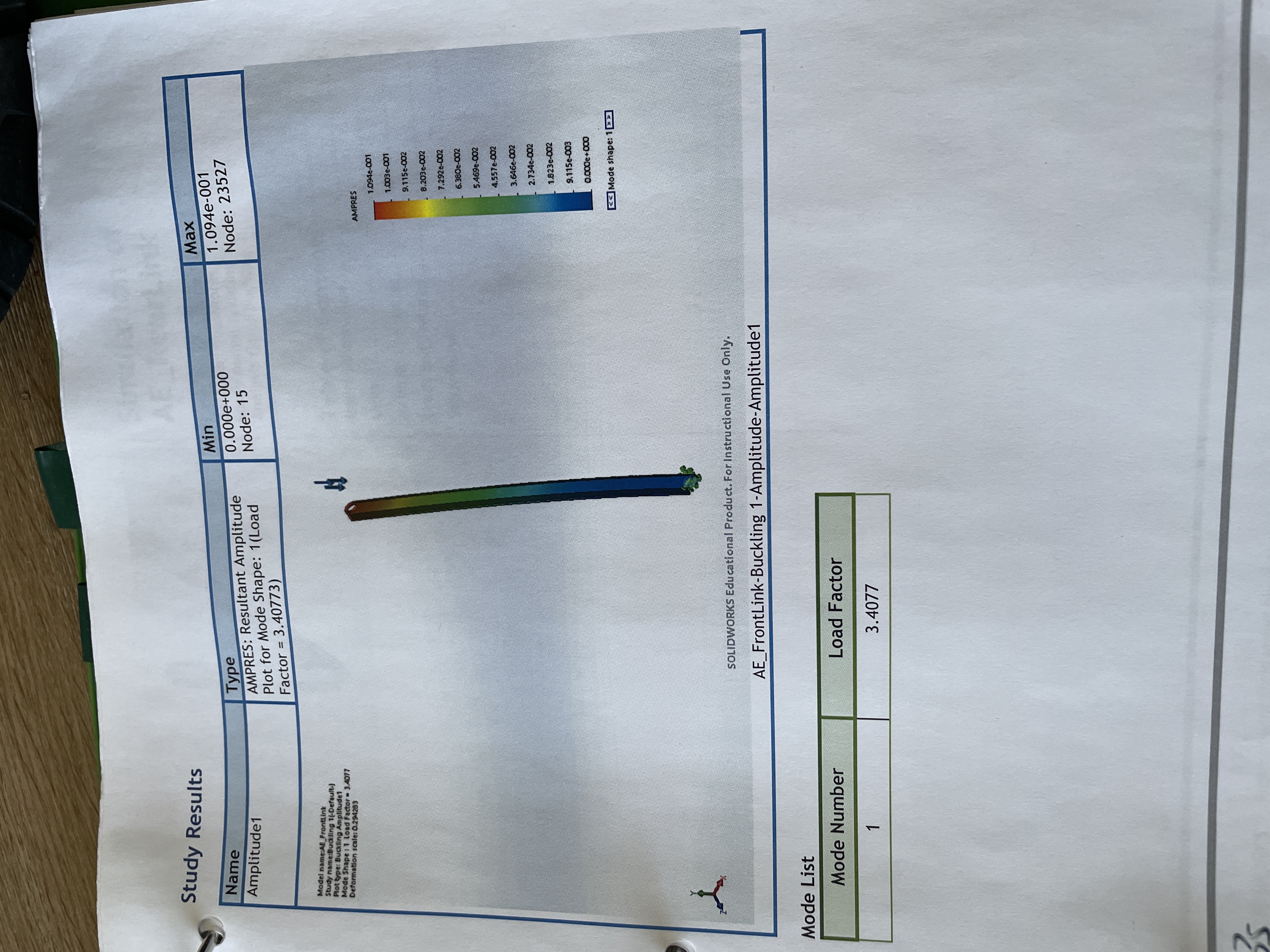
Bending an angle into this connecting rod greatly increases its compressive strength, and is easily accomplished with a brake

Coastdown testing


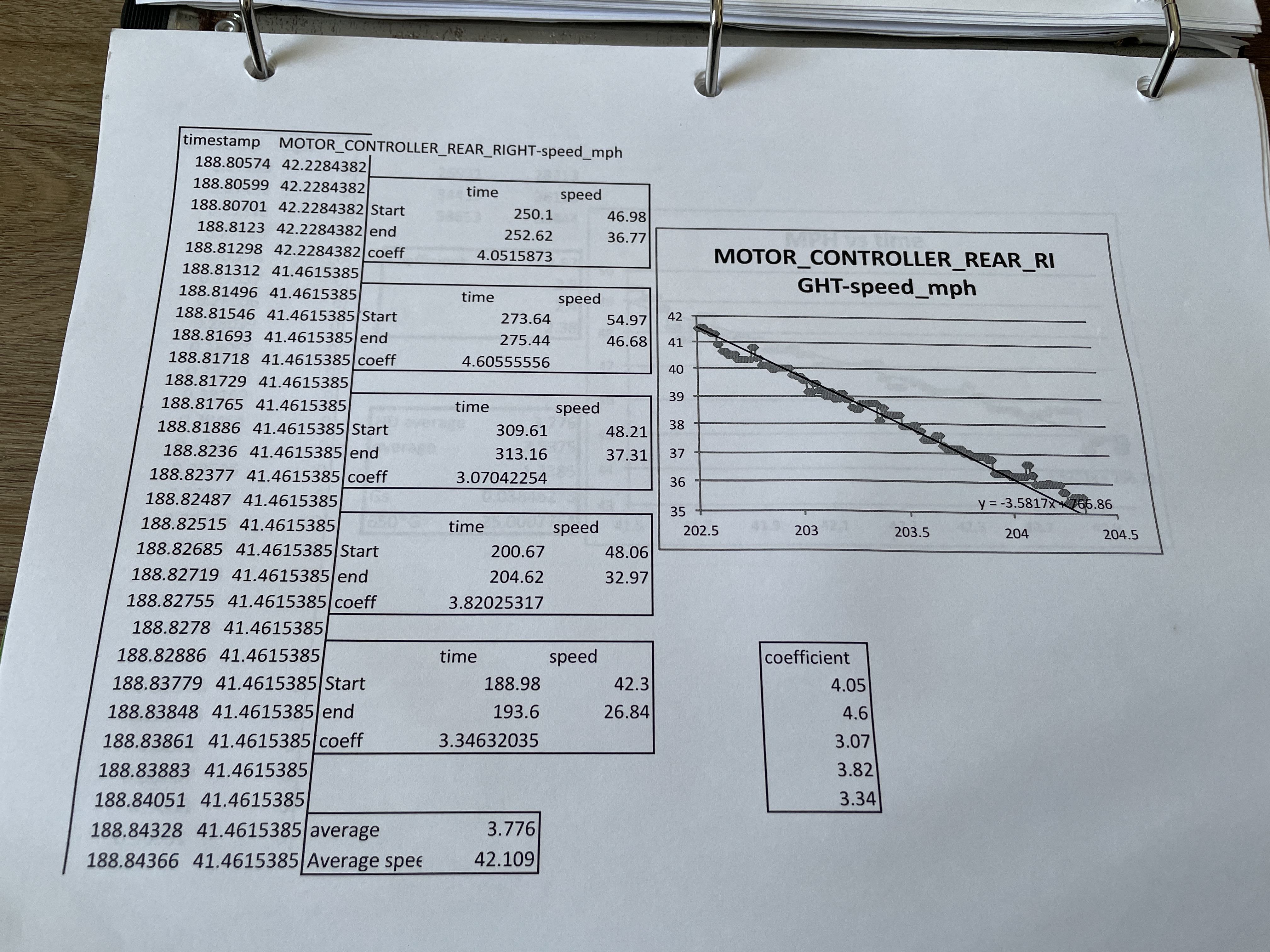
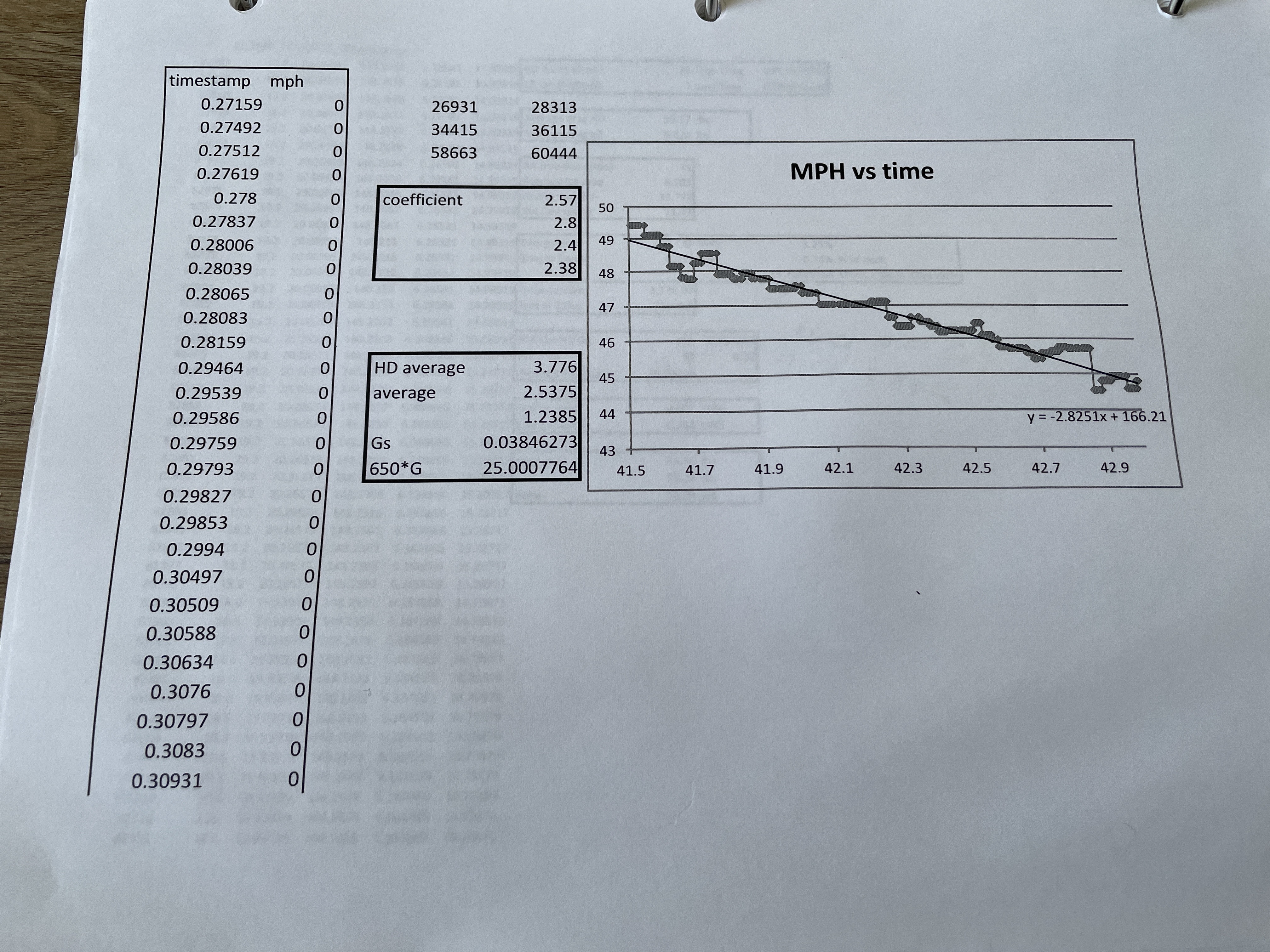
To validate the design, we measured the difference in coastdown speeds in high-downforce and low-drag positions

Coastdown low-drag


It's measurably less draggy!

Matching sim and testing


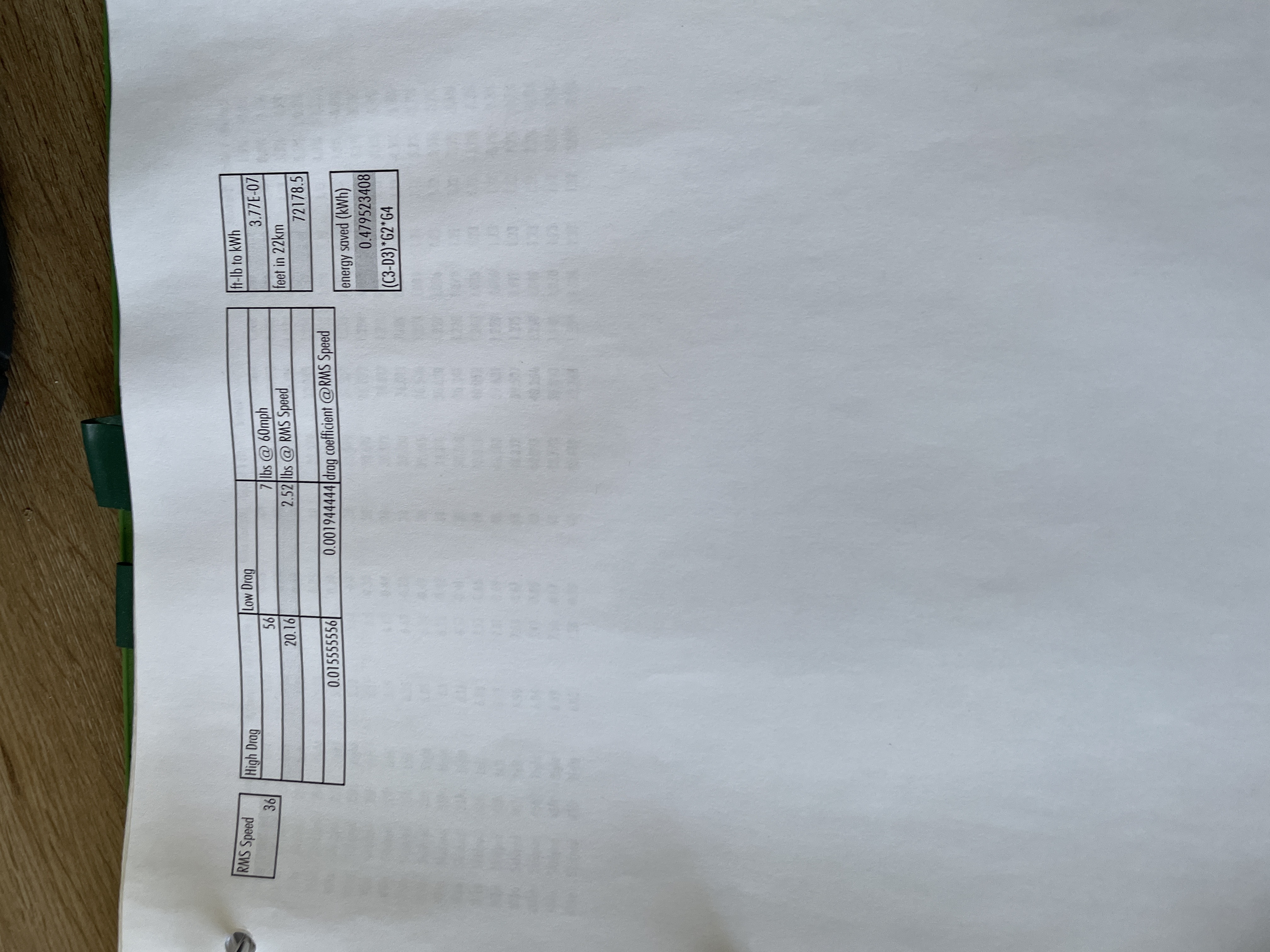
Using the lap data from before, we check the energy savings with the drag coefficients from testing, and the results are almost exactly the same at 1 free lap in 15.76

Conversion


Put another way, it saves .48kWh during endurance

Skidpad testing


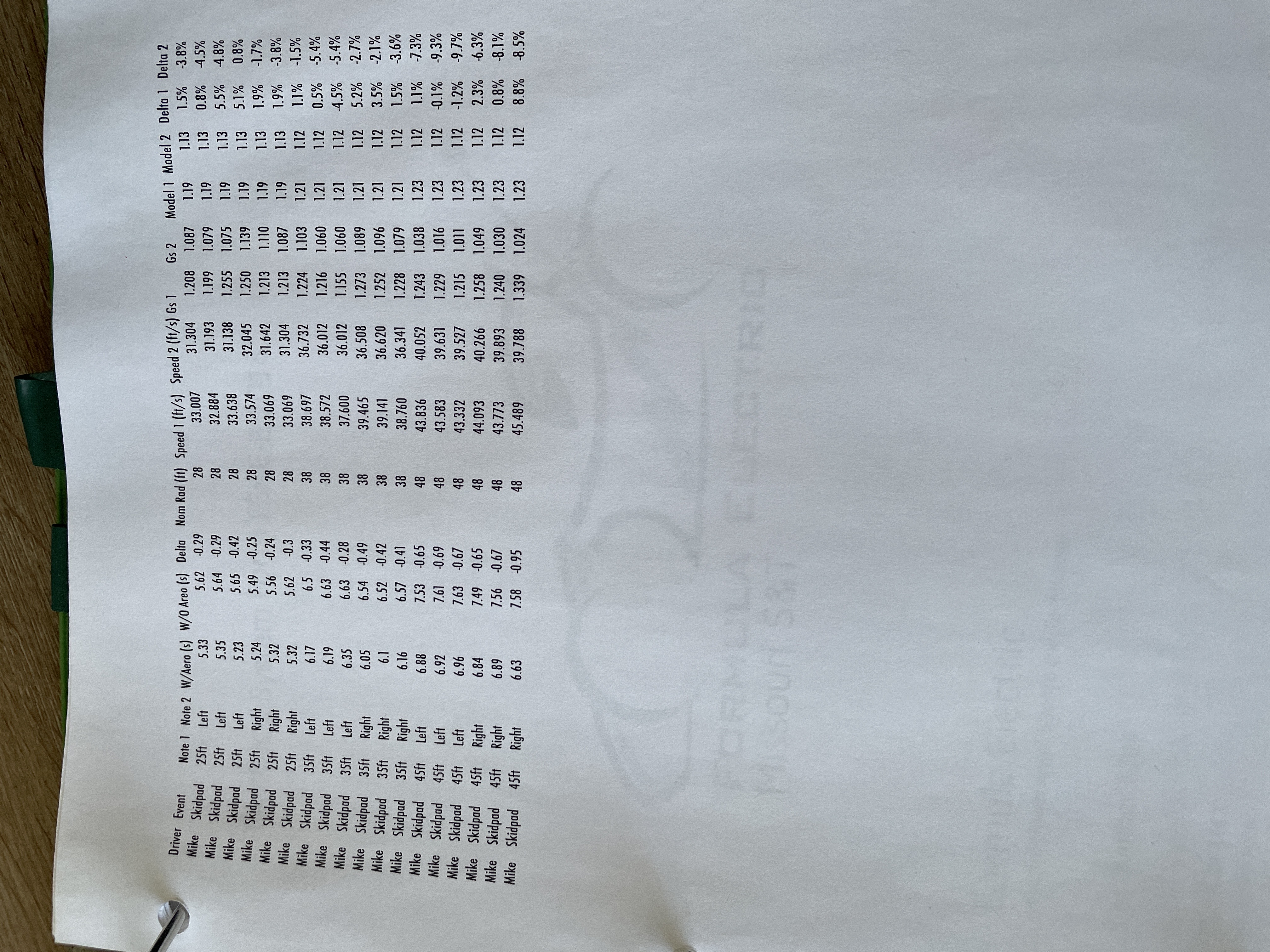
Verifying the performance benefits of the wings, we ran skidpad with and without wings. It matches simulation really well. The design judge's next question blew my mind though: "Why doesn't it match the sim?"

MMM1


Don't forget to actually finish the car, it's a classic engineering folley to poorly execute the perfect product rather than to properly perform and make sure the important parts are within spec

MMM2


Have fun and don't be afraid to take some risks. I miss having the support of the SDELC and a (small but existant) budget to build a race car